Transform Your Look with Professional Hair Restoration
- Manoj Kumar
- Feb 3
- 5 min read

Hair loss can be a distressing experience for many individuals, affecting self-esteem and confidence. Whether due to genetics, stress, or health issues, the impact of thinning hair can be profound. Fortunately, professional hair restoration offers a range of solutions that can help you regain not only your hair but also your confidence. In this blog post, we will explore various hair restoration methods, their benefits, and how they can transform your look.

Understanding Hair Loss
Before diving into restoration methods, it's essential to understand the causes of hair loss. Hair loss can occur for various reasons, including:
Genetics: Hereditary hair loss, known as androgenetic alopecia, is the most common cause.
Hormonal Changes: Conditions such as pregnancy, menopause, or thyroid issues can lead to hair thinning.
Medical Conditions: Diseases like alopecia areata or scalp infections can also result in hair loss.
Stress and Lifestyle: High-stress levels and poor nutrition can contribute to hair thinning.
Recognizing the underlying cause of your hair loss is crucial in determining the most effective restoration method.
Types of Hair Restoration Methods
1. Hair Transplant Surgery
Hair transplant surgery is one of the most popular and effective methods for restoring hair. This procedure involves moving hair follicles from a donor site (usually the back of the head) to the balding areas. There are two primary techniques:
Follicular Unit Transplantation (FUT): A strip of scalp is removed, and individual hair follicles are transplanted.
Follicular Unit Extraction (FUE): Individual hair follicles are extracted directly from the scalp and transplanted.
Benefits of Hair Transplant Surgery:
Permanent results
Natural-looking hair
Minimal downtime
2. Platelet-Rich Plasma (PRP) Therapy
PRP therapy is a non-surgical treatment that uses your blood's platelets to stimulate hair growth. The process involves drawing a small amount of blood, processing it to concentrate the platelets, and injecting it into the scalp.
Benefits of PRP Therapy:
Non-invasive
Stimulates natural hair growth
Minimal side effects
3. Low-Level Laser Therapy (LLLT)
LLLT is a non-invasive treatment that uses laser light to stimulate hair follicles. This method is suitable for both men and women and can be done in a clinic or at home with specialized devices.
Benefits of LLLT:
Painless and safe
Can be used alongside other treatments
Promotes hair growth without surgery
4. Medications
Several medications can help slow hair loss and promote regrowth. The most common are:
Minoxidil (Rogaine): An over-the-counter topical treatment that stimulates hair growth.
Finasteride (Propecia): A prescription oral medication that reduces hair loss by blocking hormones that contribute to hair thinning.
Benefits of Medications:
Easy to use
Can be effective for many individuals
Non-invasive
Choosing the Right Method for You
Selecting the right hair restoration method depends on various factors, including the cause of hair loss, your budget, and personal preferences. Here are some steps to help you make an informed decision:
Consult a Specialist: Schedule a consultation with a hair restoration expert to discuss your options.
Evaluate Your Goals: Consider what you hope to achieve with hair restoration. Are you looking for a permanent solution or a temporary fix?
Consider Your Budget: Hair restoration can vary significantly in cost. Determine what you are willing to invest in your treatment.
Research Options: Look into different methods, read reviews, and ask for recommendations from others who have undergone treatment.
The Benefits of Professional Hair Restoration
Investing in professional hair restoration can lead to numerous benefits, including:
Improved Self-Esteem: A fuller head of hair can significantly boost your confidence and self-image.
Natural Results: Professional treatments are designed to provide natural-looking results that blend seamlessly with your existing hair.
Long-Lasting Effects: Many hair restoration methods offer permanent or long-lasting results, making them a worthwhile investment.
What to Expect During the Process
Understanding what to expect during the hair restoration process can help alleviate any anxiety you may have. Here’s a general overview:
Initial Consultation
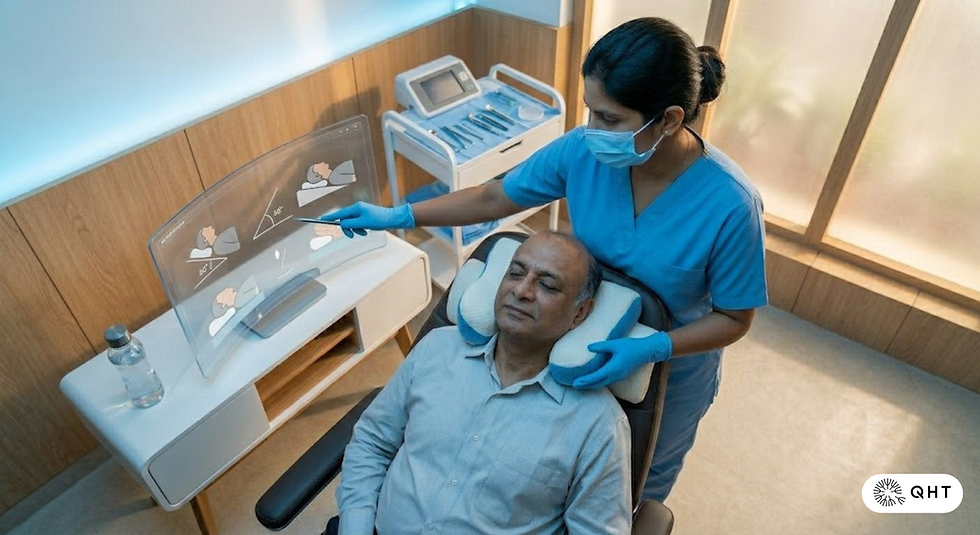
During your first visit, the specialist will assess your hair loss, discuss your medical history, and recommend suitable treatment options. This is also a great time to ask any questions you may have.
Treatment Plan
Once you choose a method, the specialist will create a personalized treatment plan tailored to your needs. This plan will outline the steps involved, expected outcomes, and any necessary follow-up appointments.
Recovery and Aftercare
Recovery times vary depending on the method chosen. For surgical procedures, you may experience some swelling and discomfort, but these symptoms typically subside within a few days. Non-surgical methods like PRP therapy and LLLT usually require little to no downtime.
Results Timeline
Results from hair restoration treatments can take time. For example, hair transplants may take several months to show full results, while PRP therapy may show improvements within a few weeks.
Maintaining Your New Look
Once you've undergone hair restoration, maintaining your results is crucial. Here are some tips to help you keep your hair looking its best:
Follow Aftercare Instructions: Adhere to any post-treatment guidelines provided by your specialist.
Use Gentle Hair Products: Opt for sulfate-free shampoos and conditioners that are gentle on your hair and scalp.
Avoid Heat Styling: Limit the use of heat styling tools to prevent damage to your newly restored hair.
Maintain a Healthy Diet: A balanced diet rich in vitamins and minerals can support hair health.
Real-Life Success Stories
Hearing from individuals who have successfully undergone hair restoration can provide inspiration and reassurance. Here are a couple of success stories:
Case Study 1: John’s Journey
John, a 35-year-old man, began noticing thinning hair in his early twenties. After years of feeling self-conscious, he decided to explore hair transplant surgery. After a successful FUT procedure, John saw significant regrowth within six months. Today, he feels more confident and has even received compliments on his new look.
Case Study 2: Sarah’s Transformation
Sarah, a 28-year-old woman, experienced hair thinning due to hormonal changes. She opted for PRP therapy and was thrilled with the results. Within three months, her hair was noticeably thicker, and she felt more like herself again.
Conclusion
Professional hair restoration can be a transformative experience, helping individuals regain not only their hair but also their confidence. With various methods available, from surgical options to non-invasive treatments, there is a solution for everyone. If you're struggling with hair loss, consider consulting a specialist to explore your options. Remember, taking the first step towards restoring your hair can lead to a more confident and fulfilling life.
By understanding the causes of hair loss and the available restoration methods, you can make an informed decision that suits your needs. Don't let hair loss define you; take action today and transform your look with professional hair restoration.


Comments