Recovery After Hair Transplant in Hyderabad: What to Expect Each Week


Surgery day gets most of the attention. But the weeks and months after surgery are where the real story unfolds.
Recovery after a Hair Transplant in Hyderabad is a gradual process that requires patience, care, and trust in the process. Knowing what to expect at each stage removes anxiety and helps you follow your aftercare instructions with confidence.
The Hair Transplant Cost in Hyderabad at a good clinic will include structured post-operative support, which makes navigating this phase significantly easier.
The First Two Days: Rest and Protection
On the day of your procedure, your scalp will be bandaged and mildly swollen. You will receive written instructions covering everything from sleeping position to washing technique.
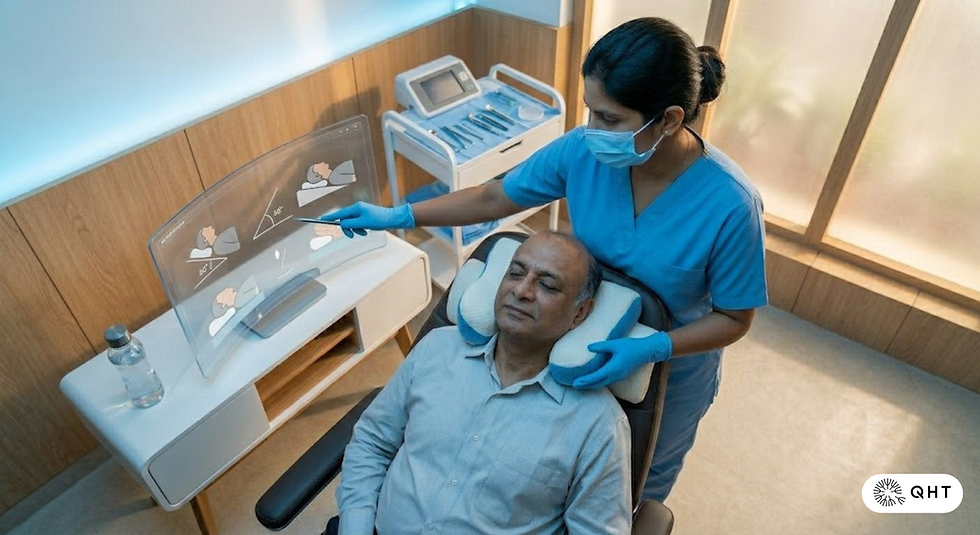
Sleep with your head elevated at about 45 degrees to minimise swelling around the forehead and eyes.
Do not touch, scratch, or press on the recipient area. The newly implanted grafts are fragile during this phase. Any friction can dislodge them before they have anchored into the scalp tissue.
Days Three to Seven: Gentle Care Begins
From day three onward, your clinic will guide you through a gentle washing routine. This typically involves a prescribed medicated foam or shampoo applied with very light fingertip pressure and rinsed with cool water.
Small scabs will form around each graft site. These are normal and should never be forcibly removed. They will fall away on their own by the end of the first or second week.
Avoid direct sun exposure, physical exercise, dusty environments, and swimming during this period. Stay indoors as much as possible and follow your medication schedule precisely.
Weeks Two and Three: Settling In
By the second week, the scabbing has largely resolved. The scalp looks and feels more normal. During this phase, the transplanted hairs begin to shed. This is the shock loss phase described earlier.
It is completely expected. Do not be alarmed. The follicles remain intact and are preparing for a new growth cycle.
Most patients can return to desk-based or remote work during this phase with no visible sign of having undergone a procedure.
Months One to Three: The Quiet Phase
This is the phase that tests patience the most. Very little visible change occurs externally. The donor area may look slightly sparse. The recipient area appears bare or patchy.
Beneath the surface, however, the transplanted follicles are establishing themselves and preparing to produce new hair shafts. Continue any prescribed medications and attend your scheduled follow-up appointments.
Months Four to Six: Early Growth Appears
Around month four, new hair shafts begin to emerge. The growth is initially uneven and the texture may appear slightly different from your natural hair. This normalises with time.
By month six, coverage begins to look genuinely promising and most patients feel a real sense of excitement about what is coming.
Months Seven to Twelve: Transformation Becomes Visible
Each passing month brings a noticeable improvement in density and texture. By month nine, most patients are genuinely pleased with what they see. The hair continues to mature and thicken.
The final result, representing the full density and natural texture of the transplant, typically appears between twelve and eighteen months post-surgery.
Conclusion
Recovery from a Hair Transplant in Hyderabad is a journey that unfolds across months, not weeks. Following the aftercare protocol closely and trusting the process are the two most important things you can do.
When the Hair Transplant Cost in Hyderabad includes structured post-operative follow-up, the recovery phase becomes much more supported and reassuring.
QHT Clinic accompanies every patient through each stage of recovery with personalised check-ins, responsive medical support, and a genuine investment in seeing the best possible outcome emerge over time.


Comments