Unlocking Natural Hair Density: Your Definitive How To Guide for Successful Hair Transplant in Hyderabad

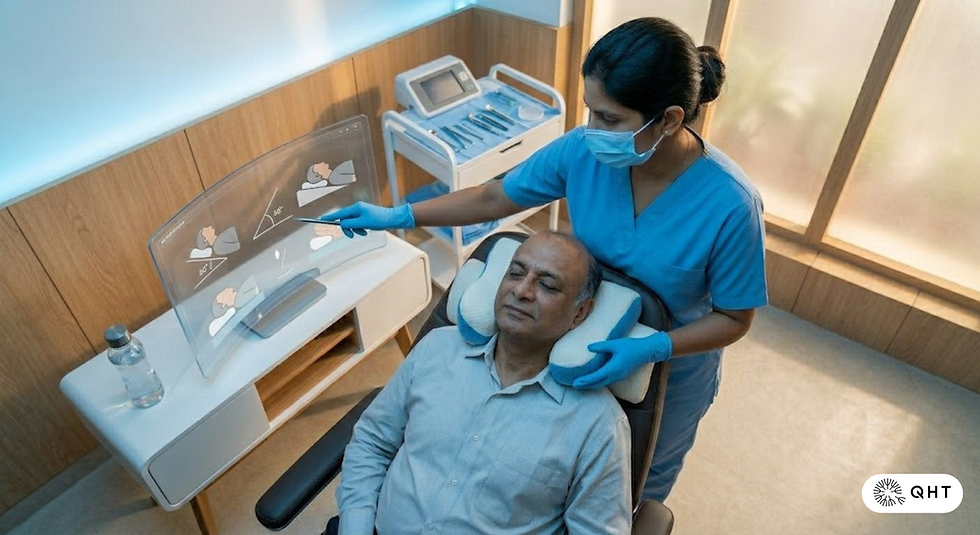
If you are experiencing noticeable thinning hair or a receding hairline, understanding your options can feel overwhelming. The decision to pursue hair restoration is deeply personal and complex. Before making any commitments, it is crucial to understand the entire journey from initial consultation through recovery. This guide aims to demystify the process, giving you a clear roadmap for achieving confidence and natural density. When considering advanced solutions like Hair Transplant in Hyderabad, careful research is paramount. Furthermore, understanding potential expenditures by looking into the details of the Hair Transplant Cost in Hyderabad will provide invaluable clarity during your planning phase.
The journey to hair restoration requires more than just a procedure; it demands thorough preparation, realistic expectations, and commitment to aftercare. To approach this topic from an educational standpoint, we must break down the process into manageable stages. This detailed overview helps readers understand how they can best prepare for optimal outcomes.
I. Understanding the Consultation Phase: Laying the Groundwork
The very first step is never booking a service; it is always engaging in a comprehensive consultation. Experts thoroughly evaluate hair loss patterns, map out density areas, and discuss individual lifestyle factors. It is during this stage that questions regarding graft types (such as FUT or FUE), optimal design, and expected outcomes are addressed comprehensively. Think of this phase as creating a detailed blueprint for your personalized hair restoration plan. Transparency here ensures the entire process starts on solid ground.
II. Deciphering the Techniques: What Exactly Happens During the Procedure?
The field of hair transplantation utilizes advanced science to achieve natural results, and knowing the available techniques is key to making an informed choice. While many methods exist, they generally focus on harvesting healthy donor follicles from a non visible area of the scalp and meticulously planting them into the desired recipient zone. The methodology chosen depends heavily on your unique anatomy and desired density level.
The Science Behind Hair Follicles: It is important to understand that hair loss often affects the follicle cycle, not necessarily the follicle itself. The goal, therefore, is to transplant healthy, viable follicles that have already demonstrated natural growth capacity. This understanding helps manage expectations regarding ultimate graft survival rates and density improvements over time.
Modern Approaches: Modern advancements focus on minimizing trauma to both the donor site and the recipient area. Learning about these modern techniques ensures you are considering the state of the art available for Hair Transplant in Hyderabad.
III. The Role of Preparation: Beyond Just Booking an Appointment
Achieving the best results involves preparation that begins weeks, sometimes months, before any intervention. This educational phase involves adopting healthy habits and understanding what lifestyle changes can positively impact hair health generally. Good nutrition, stress management, and optimized scalp health play foundational roles in overall follicular vitality. A proactive approach significantly enhances the body’s natural healing capabilities post procedure.
IV. Navigating Finances and Expectations: The Cost Component
When discussing Hair Transplant Cost in Hyderabad, readers often find the range of figures confusing. Instead of viewing it as a singular price, it is helpful to understand that the cost reflects several variables: the complexity of the procedure, the required number of grafts, the technology used, and the post operative care plan. These elements combine to create a holistic investment in your natural appearance and renewed confidence. Knowing these factors allows for more accurate budgeting and expectation setting.
V. The Post Operative Phase: Recovery and Watchful Care
The recovery phase is arguably as important as the procedure itself. It demands patience, adherence to care instructions, and time. Understanding the timeline—from initial swelling to visible maturation of grafts—is crucial. Gentle cleansing routines, managing potential discomfort, and following dietary recommendations all contribute to a smoother healing trajectory. This period is educational; it teaches the patient about the biology of scalp healing in an assisted environment.
FAQs
Q: How long does the initial recovery phase typically last after a hair transplant procedure?
A: The immediate recovery period is often marked by noticeable swelling and tenderness, which can last for the first few days. Most individuals experience significant comfort improvement within the first week. Initial care focuses heavily on keeping the scalp clean and minimizing physical strain to allow grafts to settle into their new position. While some minor discomfort is expected, following specific aftercare regimens helps manage this process effectively. Patients are typically advised against strenuous activity or wearing tight headwear during the initial healing window. Consistent adherence to these early recovery guidelines sets a positive tone for the long term outcomes and overall comfort level of the individual undergoing restoration.
Q: Is it necessary to make permanent lifestyle changes to maintain hair density after treatment?
A: While the transplantation process aims for lasting results, maintaining optimal scalp health is always beneficial for maximizing longevity. Lifestyle management involves more than just diet; it includes stress reduction techniques, adequate sleep hygiene, and a balanced approach to nutrients. Certain deficiencies or chronic conditions can impact follicular health, regardless of transplantation success. By treating hair restoration as part of an overall wellness regimen, individuals empower their bodies to support the transplanted follicles over years to come. Consulting with educational resources helps readers understand which general areas of lifestyle might benefit continued focus beyond just the physical recovery period itself.
Q: What are common myths surrounding hair transplant that people should be aware of?
A: One widespread myth is that a single session can instantly restore completely lost hair, but the reality involves a phased and gradual process. Another misconception is believing that all hair loss has a singular cause; in truth, genetic predisposition interacts with factors like stress and nutrition. Furthermore, some believe that perfect results are instantaneous, ignoring the natural growth cycle which takes time to become fully visible. Educationally, it is vital to understand that follicular growth follows its own biological clock, demanding patience and management of expectations over months rather than weeks. Learning the facts from reliable sources helps demystify these common misunderstandings completely.
Conclusion
The decision to explore hair restoration is a monumental one, rooted in self confidence and natural appearance. We have covered the breadth of knowledge required, from understanding donor sites to committing to post procedure care. Remember that true excellence in hair restoration involves not only technical skill but also a deep commitment to client education and personalized planning. For comprehensive guidance on your potential journey and expert insights into achieving optimal results, we recommend consulting with the specialists at QHT Clinic.


Comments